


Seniors struggle with cold and loneliness in freezing temperatures and heavy snowfall
By Canadian Press on January 31, 2026.
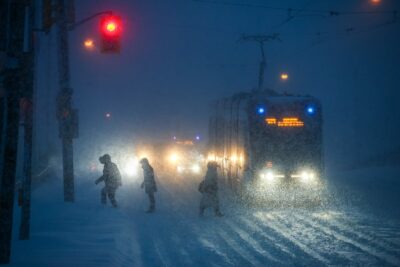
TORONTO — Calls to Toronto Seniors Helpline are on the rise as older adults struggle with issues ranging from no heat in their homes to loneliness amid brutal cold and impassable snow-covered sidewalks.
“(Many) seniors do face isolation anyway, but when it’s particularly cold and there’s more fear of going out or other people coming in, that just unfortunately increases rates of isolation,” said Rochelle McAlister, who oversees the helpline run by WoodGreen Community Services.
McAlister said the helpline received 128 calls on Monday and Tuesday alone — about 50 per cent more than average — right after a snowstorm walloped southern Ontario.
While a lot of the helpline calls are from older adults who just want someone to talk to, others are about immediate life-threatening problems, including not having heat.
Some have lost their heating because they are living in poverty and fell behind on their hydro bills, McAlister said.
“Others have landlords who aren’t fixing their heat for them,” she said, while some had maintenance workers who couldn’t get to their buildings after the storm.
Many sidewalks and streets in the city are still covered in snow and ice and not accessible for people with mobility issues, so seniors are also having trouble with basic needs, such as getting groceries or going to medical appointments, McAlister said.
Geriatric specialists say seniors are among the most vulnerable people in winter.
Physiological changes as we age make seniors more vulnerable to cold than other adults, said Dr. Richard Norman, geriatrics lead for University Health Network in Toronto.
Some chronic conditions, such as thyroid disease or diabetes, can make them “less able to adapt or respond to extreme cold,” he said.
“They may also be on medications that may blunt the normal physiologic response to cold, so these would be things like some blood pressure medications, beta blockers, and so they may be less tolerant of the extreme cold that we’ve all been experiencing lately,” Norman said.
Vasoconstriction and vasodilation — the tightening and relaxing of blood vessels to control body temperature — can also be compromised in older people.
In addition to the dangers of cold weather, treacherous walking conditions pose a serious risk for falls if seniors venture outside, he said.
“There’s good data from within Canada that the risk of falling actually remains increased for up to seven days after a major event like a snowstorm.” he said.
The most common type of fracture from a slip and fall is a broken wrist, Norman said, but seniors are also prone to hip fractures and head injuries.
Doctors and social service workers particularly worry about seniors with dementia in winter.
“Somebody may not have the cognitive skills to dress appropriately for the weather and then they’re intersecting with very dangerous conditions, and things like hypothermia or frostbite can develop in as little as 10 or 15 minutes,” Norman said.
McAlister said WoodGreen staff have seen “really sad” cases of seniors wandering, including some who had holes in their shoes or didn’t have footwear on at all.
They have also had reports of seniors with cognitive decline doing dangerous things in their homes to try to warm up, including leaving ovens on all night or putting clothes in them.
Dr. Jillian Alston, a geriatrician at St. Michael’s Hospital in Toronto, said routines are important for managing dementia, but they can be disrupted by the snow and ice.
“With the cancellation of things like day programs or not being able to go for their usual walk, what I’ve often heard from caregivers is that’s when they might start to see … more agitation,” she said.
Keeping seniors “cooped up because they can’t do their usual routine” can increase their tendency to wander, Alston said.
“(That’s) something that I really, really worry about, especially in the people who are more isolated, who might not have those usual checks in on them.”
McAlister encouraged the public to be on the lookout for people who seem lost outside or aren’t wearing appropriate winter clothing.
“If you happen to see a senior who looks like they might be wandering … (or) not sure where they are, it’s OK just to — in a non-threatening way — go up to them and just ask if they’re OK, if they do need any help,” she said.
Norman called on people to be “neighbourly” to older people in their communities.
“Help them shovel their driveway or their stairs, check in to make sure that they have groceries, make a social call if that person is isolated,” he said.
“I think that can make a big difference in people’s health and well-being.”
Alston suggested older adults should think about how they can be prepared for winter conditions, including being aware of warming centres and other respite sites if there is a heating problem in their home or if they are homeless.
McAlister said seniors sometimes feel ashamed to ask for help, but urged them to overcome that stigma and reach out to family members, people in their community or service agencies and helplines.
Seniors or anyone concerned about an older adult in Toronto can reach the seniors helpline at 416-217-2077. McAlister said there are seniors services in other cities across Canada and recommended that anyone looking for help outside of Toronto call 211.
This report by The Canadian Press was first published Jan. 31, 2026.
Canadian Press health coverage receives support through a partnership with the Canadian Medical Association. CP is solely responsible for this content.
Nicole Ireland, The Canadian Press
37-36