


Feds launch early retirement program for public servants after months of delay
By Canadian Press on March 27, 2026.
OTTAWA — Public servants who are eligible for the federal government’s early retirement incentive can now apply for it after waiting months for the program’s launch.
The program — part of the government’s efforts to cut the number of public servants — is meant to allow some federal workers to retire early without a pension penalty. It was announced in the fall.
The last budget said the government intended to introduce the one-year program as soon as Jan. 15, 2026, but couldn’t launch it until after the budget implementation bill was passed.
The legislation, known as C-15, became law on Thursday after it passed the Senate and received royal assent. That followed its approval in the House of Commons in February.
The budget implementation act puts into effect measures outlined in the Liberals’ 2025 budget tabled last fall, which outlined a plan to slash the public service by 10 per cent by the end of the 2028-29 fiscal year. The budget said the goal was to aim for about 330,000 public sector workers, down from a peak of almost 368,000 in 2023-24.
The early retirement option is billed by the government as a way to boost the rate of attrition among older workers, to reduce the impact of cuts on the youngest workers.
The application portal for the public service early retirement program opened on Friday.
In December, the government began sending letters with information on the program to about 68,000 public servants who may be eligible.
Under the proposal, employees as young as 50 with at least 10 years of employment and at least two years of pensionable service will be eligible to apply.
If approved, they would be able to retire with an immediate pension based on years of service, with no penalty for leaving early.
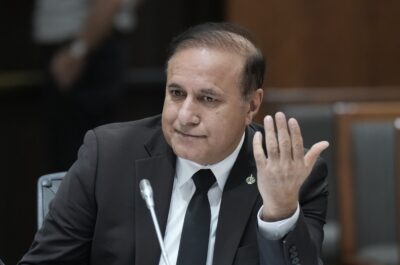
“As proposed in Budget 2025, workforce reductions will be managed to the greatest extent possible through attrition and voluntary departures,” Treasury Board President Shafqat Ali said in a statement.
“The Early Retirement Incentive is proceeding with an emphasis on voluntary, structured options to retire early with clarity and predictability.”
The federal government predicts the program will cost $1.5 billion over five years and should save taxpayers about $82 million annually, largely from pension contributions.
Earlier this year, the Public Service Alliance of Canada filed a policy grievance and asked the federal government to halt the program, arguing it avoids the government’s obligations under employees’ collective agreements.
The union said the program’s rollout was rushed and that unions need to be consulted before the government takes any further steps.
Sharon DeSousa, national president of the Public Service Alliance of Canada, said earlier this month the union doesn’t oppose early retirement options but those efforts must be “negotiated, lawful and protect workers’ rights.”
This report by The Canadian Press was first published March 27, 2026.
—With files from Craig Lord
Catherine Morrison, The Canadian Press
22-21